
When most people think about property investment, they focus on price, capital growth, rental yield, and location. But beyond these traditional factors lies a less obvious, yet critical driver of long-term investment success: walkability and local infrastructure.
For buyers entering the market, especially those buying their first investment property, understanding the surrounding infrastructure and walkability of a potential location is essential. These factors not only influence property values but also affect tenant demand, rental returns, and future development prospects.
At Property Alchemy, excellent outcomes are built on significant decisions, and this blog will guide you through how to assess infrastructure and walkability as part of your property investment strategy.
Why Walkability Matters for Property Investors
1. Tenants Want Convenience
Modern tenants, whether families, professionals, or students, prioritize access to amenities. According to a 2022 survey by Rent.com.au, nearly 70% of tenants ranked proximity to public transport and shops as their top priority when selecting a rental property.
In Sydney’s competitive rental market, being located near:
- Supermarkets
- Public transport hubs (train, bus, light rail)
- Schools and childcare
- Cafés, restaurants, and gyms
- Medical services
…can mean the difference between a high vacancy rate and continuous occupancy.

2. Increased Demand = Higher Returns
Properties in walkable neighborhoods tend to attract more potential renters, allowing investors to:
- Command higher weekly rent
- Reduce vacancy periods
- Attract long-term tenants
- Improve asset value over time
Data from the Australian Housing and Urban Research Institute (AHURI) shows that walkable suburbs in major cities, such as Sydney, tend to experience higher capital growth over 10-year periods compared to car-dependent suburbs.
3. Walkability Index Tools Exist, and Investors Use Them
You don’t need to guess. Tools like Walk Score, which rates properties on a 0-100 scale based on proximity to amenities, are used by professional property investors and buyers’ agents to evaluate investment-grade locations.
Walk Score Rating | Meaning | Investment Potential |
90–100 | Walker’s Paradise | Ideal – high demand |
70–89 | Very Walkable | Excellent – easy to rent |
50–69 | Somewhat Walkable | Moderate – case-by-case |
0–49 | Car-Dependent | Caution – may underperform |
For those buying their first investment property, choosing a suburb with a Walk Score of 70+ can improve both rental yield and tenant retention.
What Do We Mean by Local Infrastructure?
Local infrastructure includes more than just train stations and roads. It encompasses:
- Public transport networks
- Schools and education precincts
- Healthcare facilities
- Major employment hubs
- Parks and recreational amenities
- Roads, bridges, and cycleways
- Internet and utilities (especially in new developments)
A well-serviced area not only supports current tenant needs but also signals future government investment, a strong indicator of capital growth.
Infrastructure Projects in Greater Sydney to Watch
If you’re considering a property investment in Greater Sydney, keeping track of significant infrastructure projects can reveal undervalued suburbs or rising hotspots.
Here are a few key examples:
Project | Suburbs Affected | Completion Date | Investment Insight |
Sydney Metro West | Parramatta, Westmead, Olympic Park | 2030 | Fast-tracked growth corridor |
Western Sydney Airport (Nancy-Bird Walton) | Badgerys Creek, St Marys, Penrith | 2026 | Future jobs hub |
M12 Motorway | Orchard Hills, Luddenham | 2026 | Increased accessibility |
Bays West Urban Renewal | Rozelle, Glebe, Pyrmont | Ongoing | Premium lifestyle appeal |
Investing ahead of these completions can lead to significant capital gains if you make informed choices.
Case Study: Two Sydney Properties, Two Very Different Outcomes
Let’s compare two hypothetical investment properties:
Feature | Property A: Walkable Suburb | Property B: Car-Dependent Suburb |
Suburb | Marrickville | Marsden Park |
Walk Score | 87 | 45 |
Public Transport | 3-minute walk to the train | 25-minute drive to the station |
Rent | $780/week | $620/week |
Vacancy Rate | 1.5% | 5.0% |
Yield | 4.5% | 3.8% |
10-Year Capital Growth | 84% | 46% |
While both suburbs may seem appealing for different reasons (e.g., affordability in Marsden Park), the walkability and infrastructure advantage in Marrickville consistently delivers more substantial returns and fewer headaches for the investor.
How to Evaluate Walkability and Infrastructure Before You Buy
If you’re starting your journey toward property investment, here are essential steps you can take:
1. Use Digital Tools
- Walk Score
- Google Maps (check walking times to shops, schools, transport)
- NSW Government Infrastructure Tracker
- Domain and realestate.com.au suburb insights
2. Walk the Area Yourself
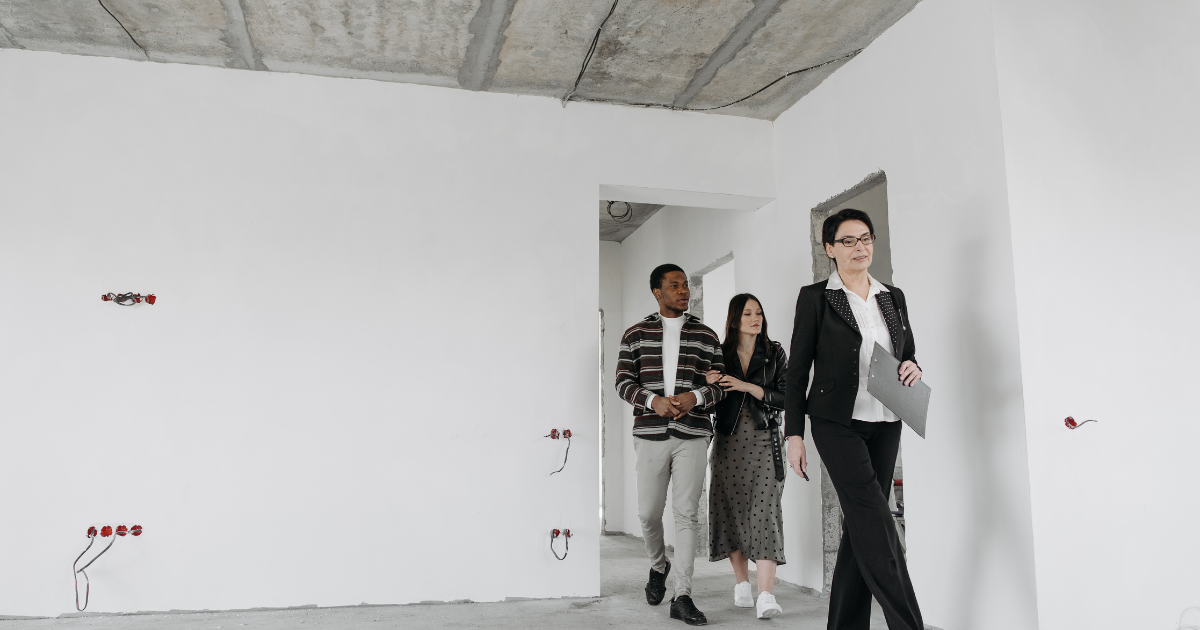
Spend time in the suburbs. Walk around. How long does it take to reach the café, train, or supermarket? Are there footpaths, lighting, and bike lanes?
3. Check Local Government Plans
Councils publish infrastructure and zoning plans. Areas zoned for medium-density development or located near future transport upgrades may be poised for growth.
4. Consult a Professional
A property management or buyers’ agency, such as Property Alchemy, can provide you with strategic insights based on up-to-date data and decades of experience.
Frequently Asked Questions
Is Walkability More Critical Than Rental Yield?
They’re connected. Walkability often improves tenant demand, which in turn can increase rental yield. Look for both, but don’t sacrifice location quality for a slightly higher return.
How Do I Know If The Upcoming Infrastructure Will Benefit My Property?
Check official NSW Government websites or work with an experienced property investment firm, such as Property Alchemy, to interpret the impact of planned developments.
Should I Always Choose Inner-City Suburbs For Walkability?
Not necessarily. Many middle-ring suburbs are becoming more walkable through urban renewal and transport upgrades. Look for lifestyle pockets that are evolving.

Walkability Is Not Optional, It’s Foundational
Choose Properties That Work Harder for You
When it comes to buying your first investment property or expanding your portfolio, walkability and local infrastructure aren’t just ‘nice to have’, they’re core pillars of a wise investment strategy.
At Property Alchemy, we guide our clients through every step, from sourcing investment-grade locations to ongoing property management that protects your returns. Our clients trust us because we don’t chase trends; we build legacies.
If you’re ready to find a property that tenants love and that appreciates in value over time, let’s talk.
Work with Property Alchemy
Ready to find your next high-performing investment? Visit https://propertyalchemy.com.au to schedule a strategy session with our expert team.
Let’s turn your property potential into property success.